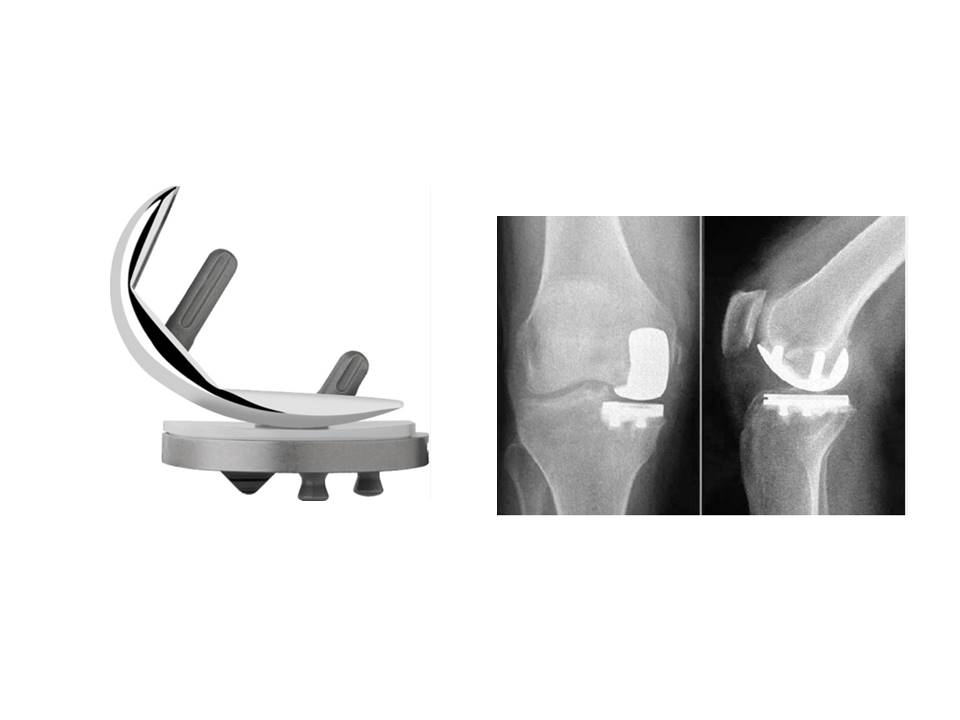
Why we do UKR
Arthritis only in one part of the knee (medial side)
The rest of the knee (ligaments + other compartments) is still healthy
Younger patients benefit from keeping as much of their natural knee as possible
It delays the need for a full knee replacement
Benefits
Smaller operation / less trauma
- Smaller cut (incision)
- Less bone removed
- Less damage to muscles and tissues
Faster recovery
- Get moving quicker
- Often shorter hospital stay
- Back to normal activities sooner
Less pain
- Less surgical trauma → less pain after surgery
Feels more “natural”
- Knee feels more like your own
- Better movement and function than total knee in many cases
Less blood loss
- Smaller operation → less bleeding
Safer early on
Lower risk of serious complications and even lower early death rates compared to total knee replacement
Risks & complications
General surgical risks
- Infection
- Blood clots (DVT/PE)
- Bleeding
Specific to UKR
- Arthritis can develop in the rest of the knee later
- Implant can loosen or wear out
- Bearing dislocation (rare, but known issue in some designs ~2–3%)
- Ongoing pain or need for further surgery
Revision risk
What the UK National Joint Registry (NJR) + evidence shows:
- Around ~6–11% revision at 10 years (varies by implant and technique)
- Some studies show:
- ~7–10% at 10 years
- Best-performing implants:
- About ~6% at 10 years
👉 Rough patient-friendly summary:
- About 90–94% still working at 10 years
Compared to total knee replacement (important context)
- UKR has higher revision rates than total knee
- But:
- Lower complications early on
- Better function and recovery
Younger patients (key point)
- Younger age = higher chance of needing revision
- Lifetime revision risk can be:
- ~25% if done around age 55
- “This is a smaller, less invasive operation that replaces only the worn part of your knee.
- You recover faster, it feels more natural, and has fewer early risks.
- But because you’re younger, there’s a higher chance you may need another operation later.”