Could Iron Man Even Stand Up? — The Brutal Physics Behind the Suit
Could Iron Man Even Stand Up? — The Brutal Physics Behind the Suit
Every time we watch Iron Man fly across the screen firing missiles, lasers, and sarcasm, one question quietly hides in the background:
“How heavy is that thing… and how is Tony Stark not flattened like a sandwich inside it?”
Let’s begin with ordinary humans.
A 200-pound man carries around roughly 30 pounds (about 14 kilograms) of bone. That is nearly 15% of total body weight. And bones are already multitasking legends — they support the body, protect organs, store minerals, and even help produce blood cells.
Your skeleton is basically the unpaid intern of the human body.
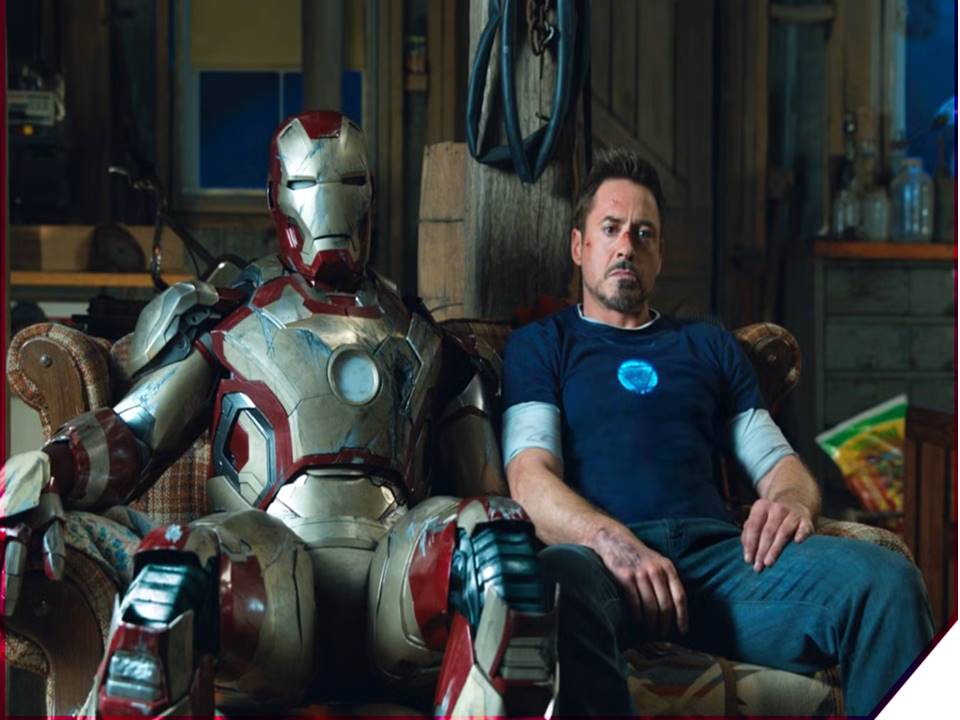
Now compare that to Iron Man’s famous Mark VI suit.
According to Marvel descriptions, the suit uses a hypothetical crystalline iron alloy — supposedly lighter and stronger than normal iron. Sounds impressive… until you realize the suit is still estimated to weigh more than 260 pounds.
And honestly?
That estimate feels suspiciously optimistic.
Think about what Tony Stark is carrying around:
- Missiles
- Guns
- Lasers
- Jet propulsion systems
- Fuel tanks
- Power generators
- Hydraulics
- Flight stabilizers
- Computer systems
- Life support systems
At this point, the man is less “superhero” and more “walking military-industrial complex.”
Realistically, the suit should probably weigh much more.
And here is the terrifying part nobody talks about:
If the power fails mid-operation…
Tony Stark is basically trapped inside a luxury armored refrigerator.
Forget flying.
The poor man would need a crane, three engineers, and emotional support just to stand up again.
Imagine the scene:
“Jarvis… power levels critical…”
Suit shuts down.
And suddenly Earth’s greatest genius becomes an expensive paperweight.
This is exactly why material science matters so much in real-world engineering. Modern engineers are obsessed with creating metals that are lighter yet stronger.
One exciting possibility is advanced magnesium alloys.
Magnesium is incredibly light — even lighter than aluminum — yet newer engineered alloys can achieve remarkable strength, sometimes rivaling titanium in specific applications. For aerospace, robotics, military equipment, and future exoskeleton technology, this is the kind of material that could actually make something remotely close to an Iron Man suit possible.
Because in reality, the biggest enemy of superhero engineering is not villains.
It is weight.
Physics has no interest in cinematic background music.
And until humanity invents ultra-light supermaterials with absurd energy efficiency, Iron Man remains what he has always truly been:
A billionaire trying to fistfight gravity.