Ataraxia in the Operating Room
.
Why the Best Surgeons Must Be Both Brave and Afraid
The ancient Greek philosopher Epicurus used a fascinating word:
Ataraxia.
He described it as a state of profound calmness — a lucid tranquility free from fear, distress, and emotional chaos. According to Epicurus, this peace could be achieved by avoiding needless anxiety: not fearing death, staying away from destructive politics, avoiding toxic people, surrounding oneself with loyal friends, and living as a virtuous and trustworthy human being.
Modern medicine never uses this word.
But surgery lives inside it.
I first encountered the term not in philosophy class, but in the movie Lucky Number Slevin. The protagonist describes himself as having an ataraxic personality. There is a haunting scene where he faces a trained assassin with the calmness of an eight-year-old child — not a flicker of panic in his eyes.
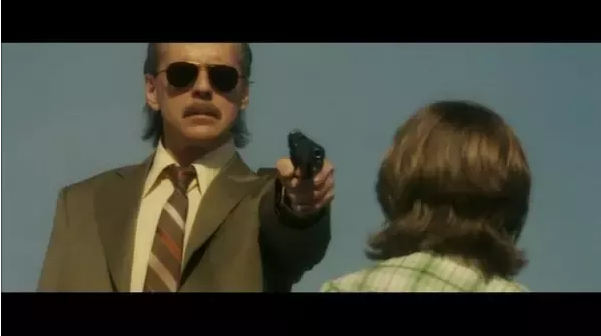
At first, it feels unrealistic.
He remains unworried when brought to a fearful Don, dressed in a towel, who is supposed to kill him because he thought that Selivyn stole his money

He remains cool again meeting a formidable Rabbi
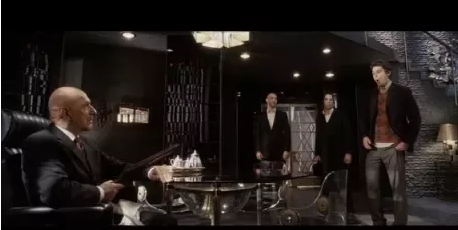
Finally, he doesnt flinch when a trained assassin is about to impose threat to love of his life.
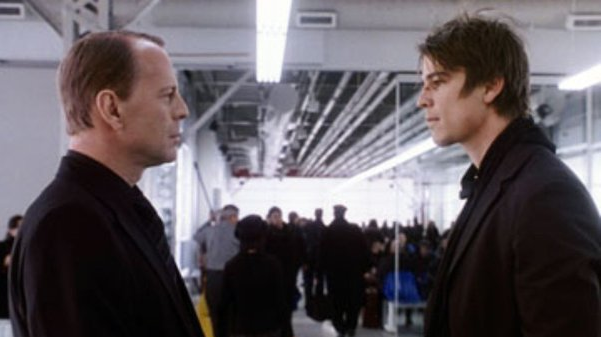
Then you spend enough nights in an operating room.
A surgeon cannot survive without some degree of ataraxia. In trauma surgery, panic is contagious. A bleeding vessel does not care about your emotions. A collapsing patient does not pause to let you gather yourself. The surgeon must stand in the center of chaos while everyone else is drowning in it.
The hands must remain steady even when the heart is not.
But here lies the paradox:
The truly dangerous surgeon is not the fearful one.
Nor the fearless one.