The Most Uselessly Brilliant Sentence in Medical School
Every medical student reaches a point where the human body starts feeling less like anatomy and more like a cruel memory game designed by sleep-deprived scientists.
And then comes the wrist bones.
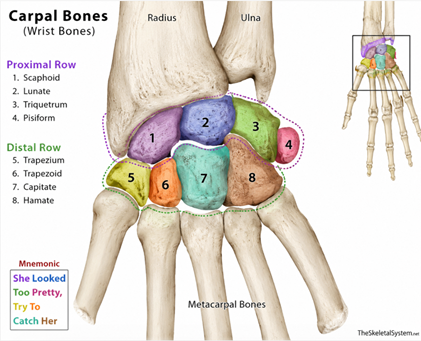
Eight tiny carpal bones sitting in two neat rows — silently waiting to destroy your confidence before anatomy exams.
You stare at the diagram.
You repeat the names.
Five minutes later your brain remembers absolutely nothing except emotional damage.
That is why medicine invented one of its greatest survival tools:
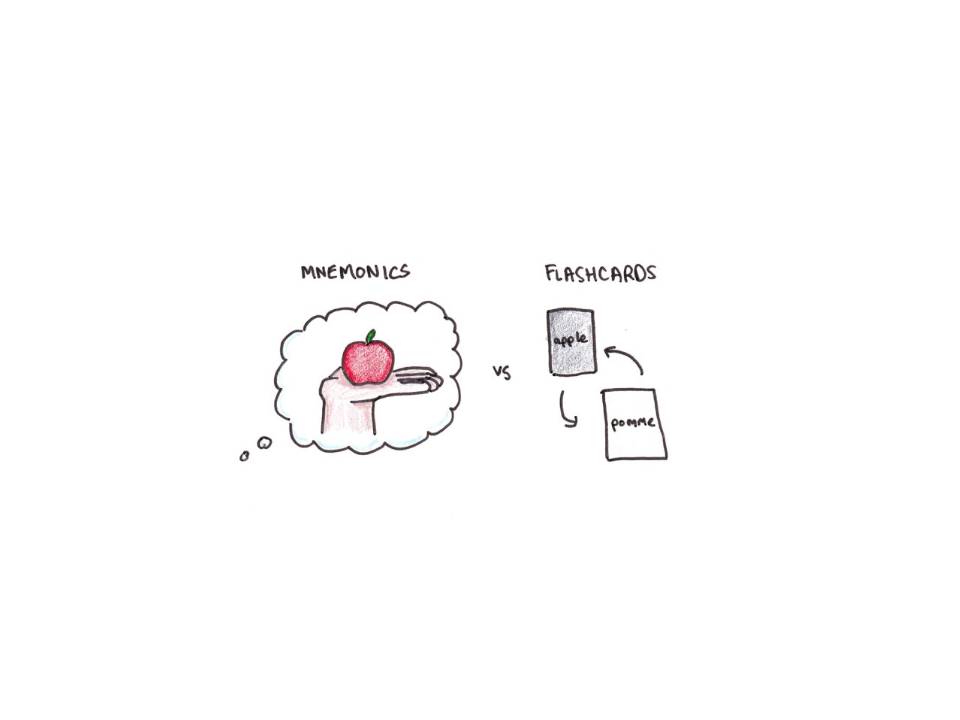
The mnemonic.
For generations, students have survived wrist anatomy using this magical sentence:
“S(he)caphoid L(ook)unate T(oo)riquetrum P(isiform)
T(rapezium)ry T(rapezoid)o C(apitate)atch H(amate)er.”
Or in simpler classical form:
“Some Lovers Try Positions That They Can’t Handle.”
Elegant? No.
Educational? Barely.
Effective? Absolutely.
Let us meet the eight tiny celebrities of the wrist.
The First Row: The Introverts
These bones sit closer to the forearm.
Scaphoid
The drama queen of wrist bones.
This little bone is famous for getting fractured whenever someone falls dramatically trying to save themselves with an outstretched hand. Orthopedic surgeons practically have a loyalty program with the scaphoid.
Lunate
Named because it looks like a moon.
Tiny moon. Big attitude.
When it dislocates, it creates enough chaos to make radiologists squint thoughtfully at X-rays while pretending not to panic on spilled tea cup.
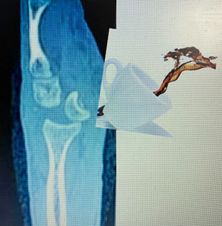
Triquetrum
The bone nobody pronounces correctly on the first try.
Medical students usually say it confidently and incorrectly for at least three years.
Pisiform
A pea-shaped bone sitting quietly like an unpaid intern.
Smallest member of the group, but still important enough to appear in exams when you are least prepared.
The Second Row: The Overachievers
These bones connect more directly with the hand.
Trapezium
Sounds like either a Greek philosopher or a geometry problem.
Important because your thumb depends on it — and without the thumb humanity would still be struggling with buttons and WhatsApp typing.
Trapezoid
The forgotten sibling of trapezium.
Most students remember it only because anatomy professors enjoy emotional suffering.
Capitate
The largest carpal bone.
Basically the gym bro of the wrist.
Solid. Central. Reliable.
Hamate
The one with the hook.
Literally.
It has a hook-like projection that doctors love pointing at during anatomy demonstrations while students nod with fake understanding.
Why Mnemonics Matter
Medicine is full of these strange memory tricks because the human brain loves stories more than lists.
Nobody remembers:
“Scaphoid, lunate, triquetrum, pisiform…”
But suddenly add a ridiculous sentence and the brain says:
“Excellent. This nonsense shall remain forever.”
And honestly, that is medical education in one sentence:
Turning impossible information into memorable absurdity.
Years later, doctors may forget phone numbers, passwords, anniversaries, and where they parked the car…
…but somewhere deep inside their exhausted brains, the carpal bones still survive.
Immortal. Untouched. Waiting.